



Forestry Plants for B2B
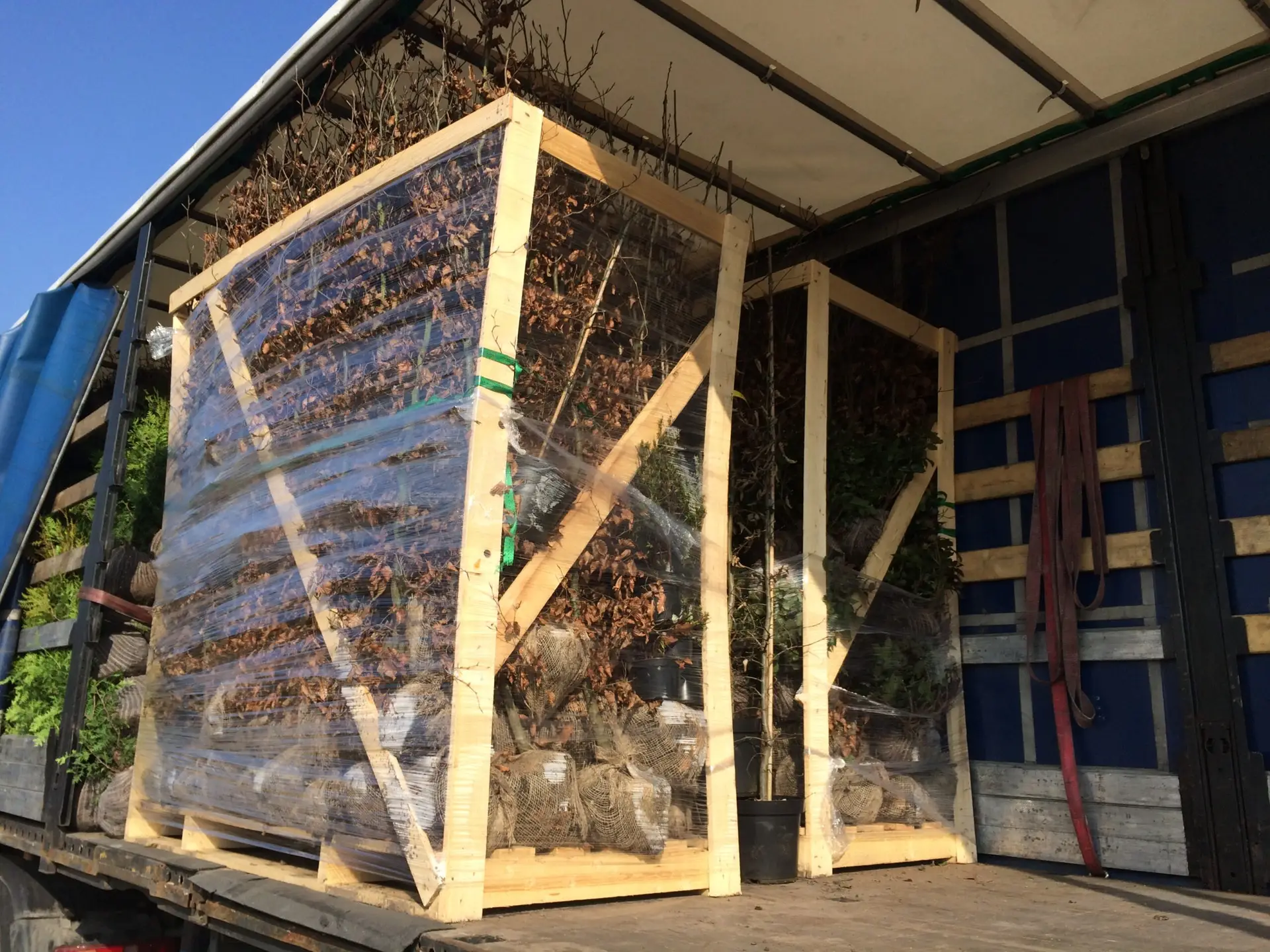
You’re looking for forestry plants that are suitable for professional projects and that you can schedule for delivery. For nature restoration, landscape redesign, and large-scale planting, you want plant material that is reliable in origin and uniform in quality. At NL Plants, you can choose native forest plants, sustainably grown and delivered quickly from stock, specifically tailored to the European market.
What are forestry plants?
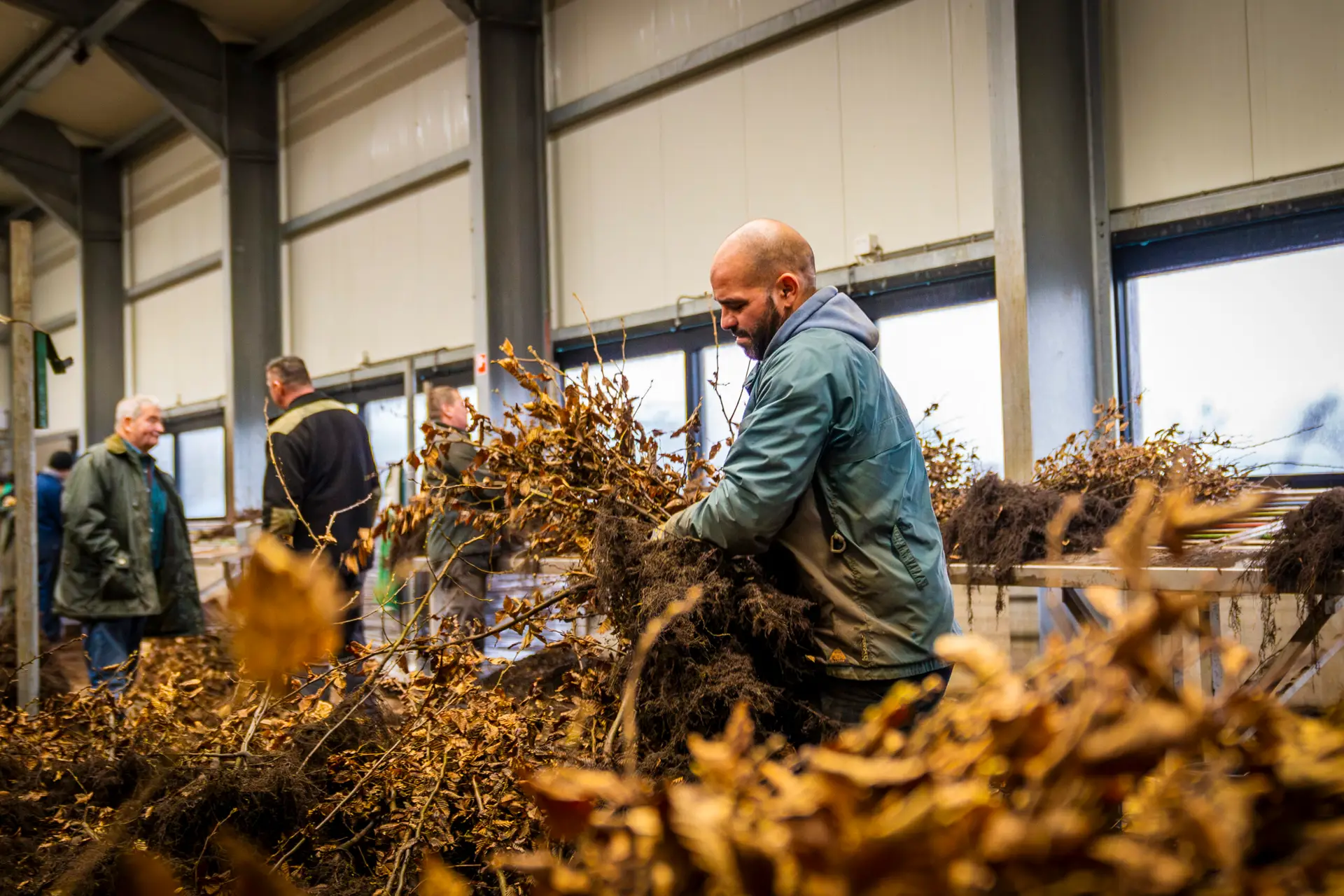
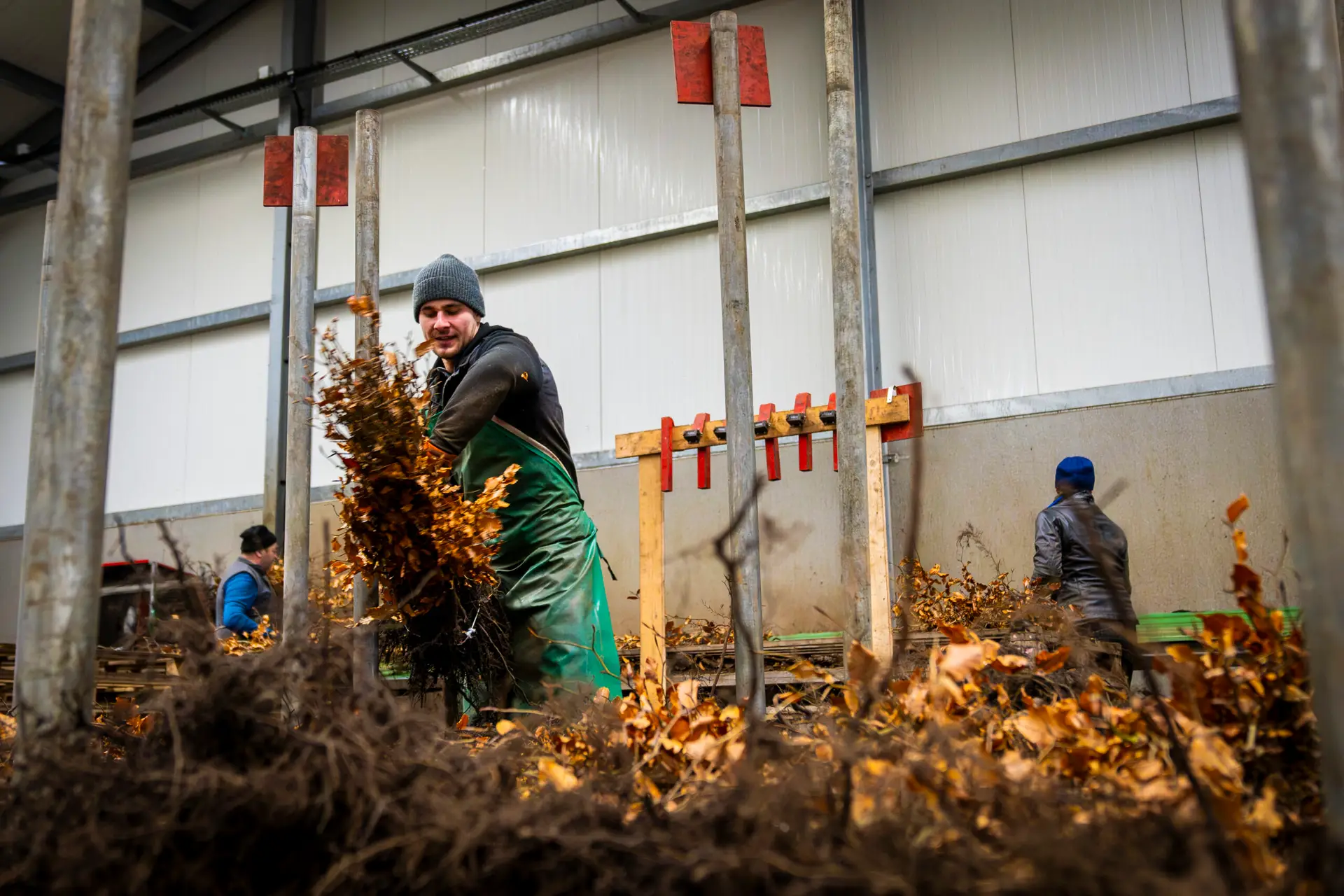
Forestry plants are young trees and shrubs used in landscaping and ecological projects. They are used for forest planting, hedgerows, nature corridors, and enhancing biodiversity.
B2B projects are all about scale, planning, and a vision that evolves in a predictable way.

For which projects are forestry plants suitable?
Forestry plants are the best choice when you’re covering a lot of ground and want a sustainable, green result.
Within the European market, forestry plants are often used in public and private projects, ranging from nature conservation to industrial sites that blend into the landscape.
No matter which application you choose, the basics remain the same: the right type in the right place, delivered at the right stage of the project.
- Nature Conservation and Landscape Restoration
- Redesign of outdoor areas and green spaces
- Planting along forest edges, hedgerows, and canal banks
- Project-based planting around infrastructure and waterways
- Large-scale landscaping for sites and recreational areas
By determining the purpose of the planting in advance, you can make better choices regarding the mix of species, plant size, and planting pattern.
Why choose nursery stock instead of mature plants?
Forestry plants are a logical choice when working on scalable green structures. You can plant large numbers relatively quickly, and the landscape will develop naturally toward the desired final appearance. In addition, you can combine different species to create variety and enhance ecological value.
The Benefits of Forestry Plants for B2B
Forestry plants offer clear advantages for professional projects.
- Scalability for large volumes and long routes
- Flexible use in plant mix and planting patterns
- Enhancing Biodiversity and Ecological Value
- Natural growth toward a stable final state
- Efficient Processing in Planning and Logistics
In practice, this means you can start planting sooner, better manage the final look, and be less dependent on a single type of planting material.
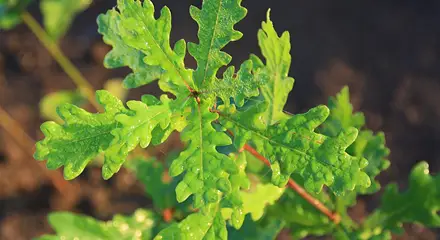
Native forest vegetation: What does that mean for your project?
Native forest plant stock refers to plant material whose origin is consistent with the local or regional natural environment. This is important for many projects because it is better suited to the ecosystem and local conditions. It also helps with projects that focus on ecological goals, biodiversity, and landscape integration.
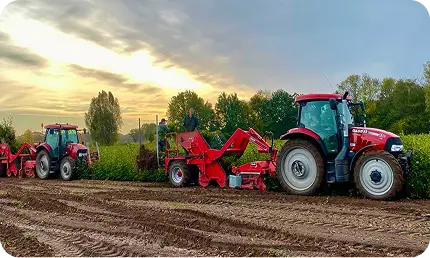
Consistent Batches and Quality: Why This Makes a Difference
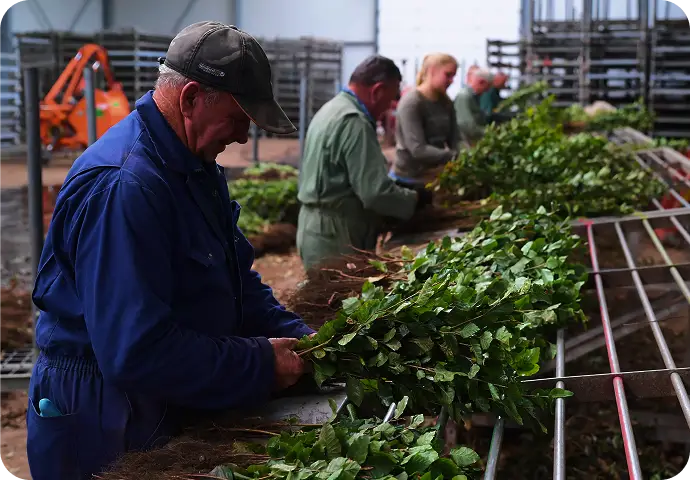
When planting on a large scale, consistency is key. Uniform batches make all the difference in processing and in the final result. If the planting stock is consistent in size and quality, you can plant more efficiently and better plan for losses and follow-up care. This makes the process run more smoothly, especially when multiple teams or locations are involved.
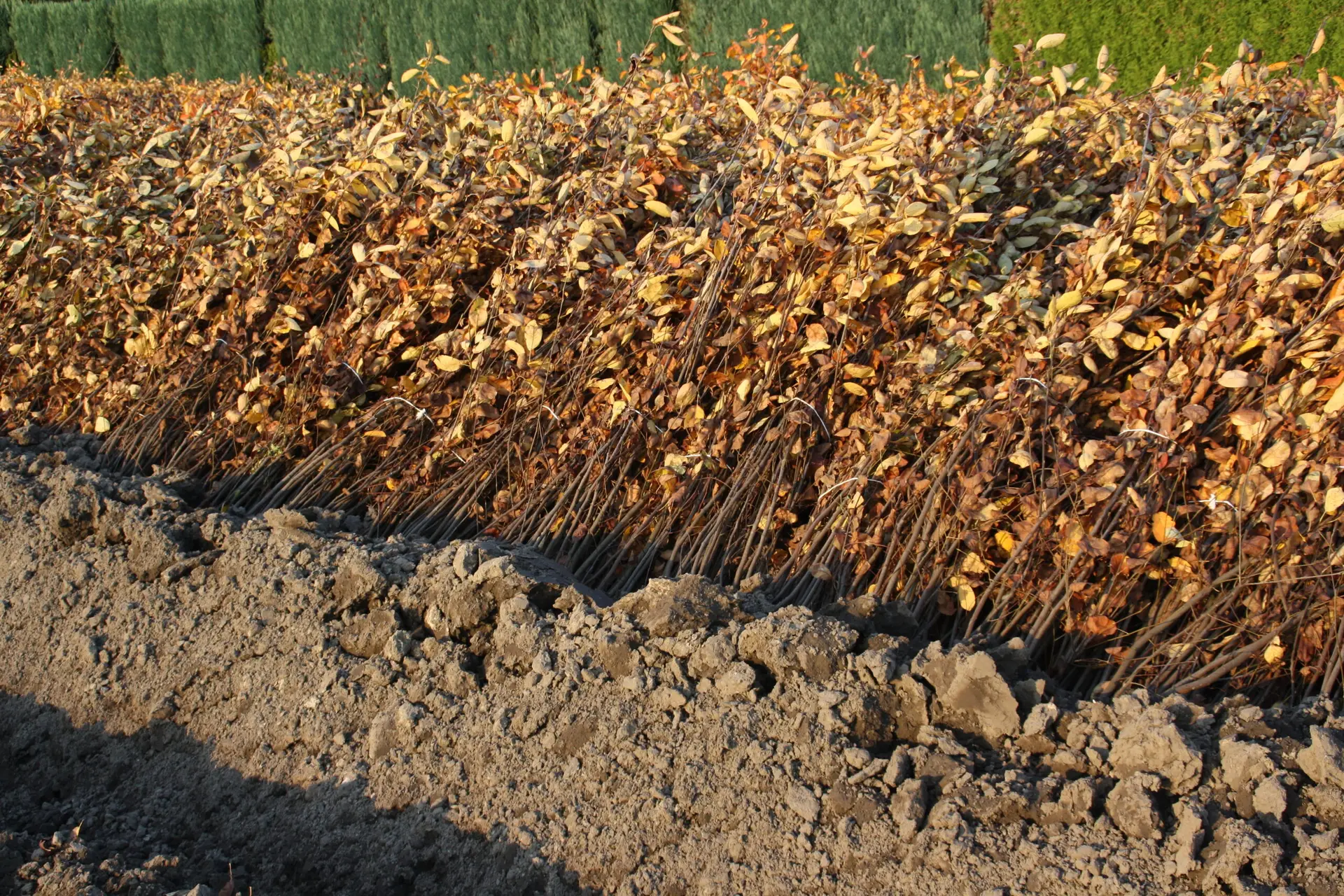
Sustainable cultivation as the foundation for reliable planting
Sustainable cultivation aligns with the requirements that are increasingly being specified in bids and project plans. For you, this means choosing plant material that has been produced with a focus on quality and long-term usability. In this context, sustainability is not only a principle but also a way to mitigate risks throughout the supply chain and during implementation.
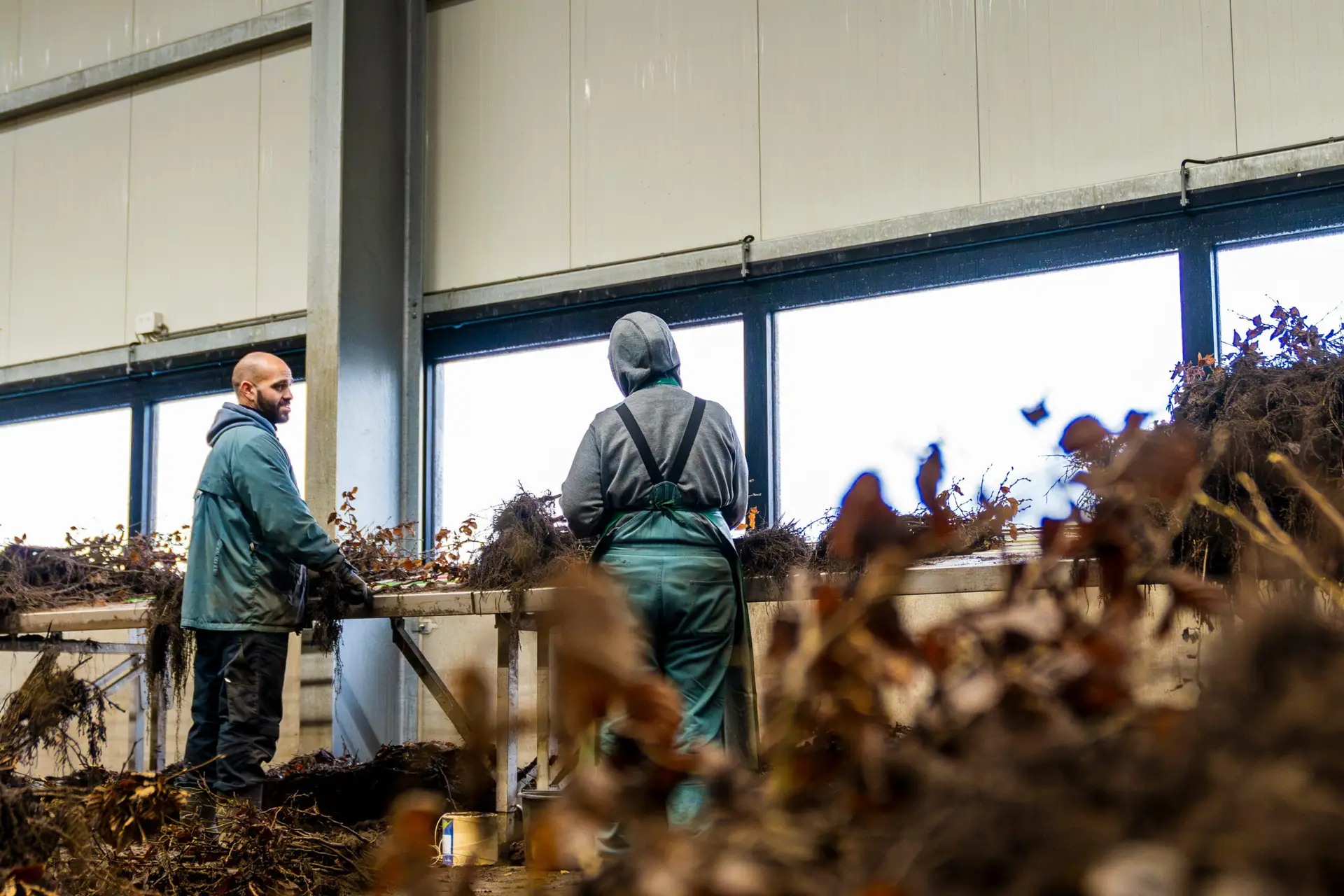
Fast delivery from stock: how to stay on top of your schedule
In B2B projects, timing is crucial. You want planting material to be available when the soil, weather, and implementation are ready. Fast delivery from stock helps prevent delays and allows you to work in phases. This is useful for projects with multiple phases, or when you need to adapt quickly due to changes in the schedule.
How do you choose the right variety?
The choice of species largely determines the final result. A good choice depends on soil type, light, moisture, and the purpose of the project. Maintenance and management also play a role. Some species require more attention in the early years, while others are hardier and develop more quickly.
Practical Selection Criteria
- Soil and Water Management at the Site
- Purpose of the planting, such as biodiversity or screening
- Desired growth rate and final height
- Management and Maintenance in the Early Years
- Combining Species for Stability and Variety
By discussing these criteria in advance, you can avoid having to make adjustments later with additional planting or restoration work.
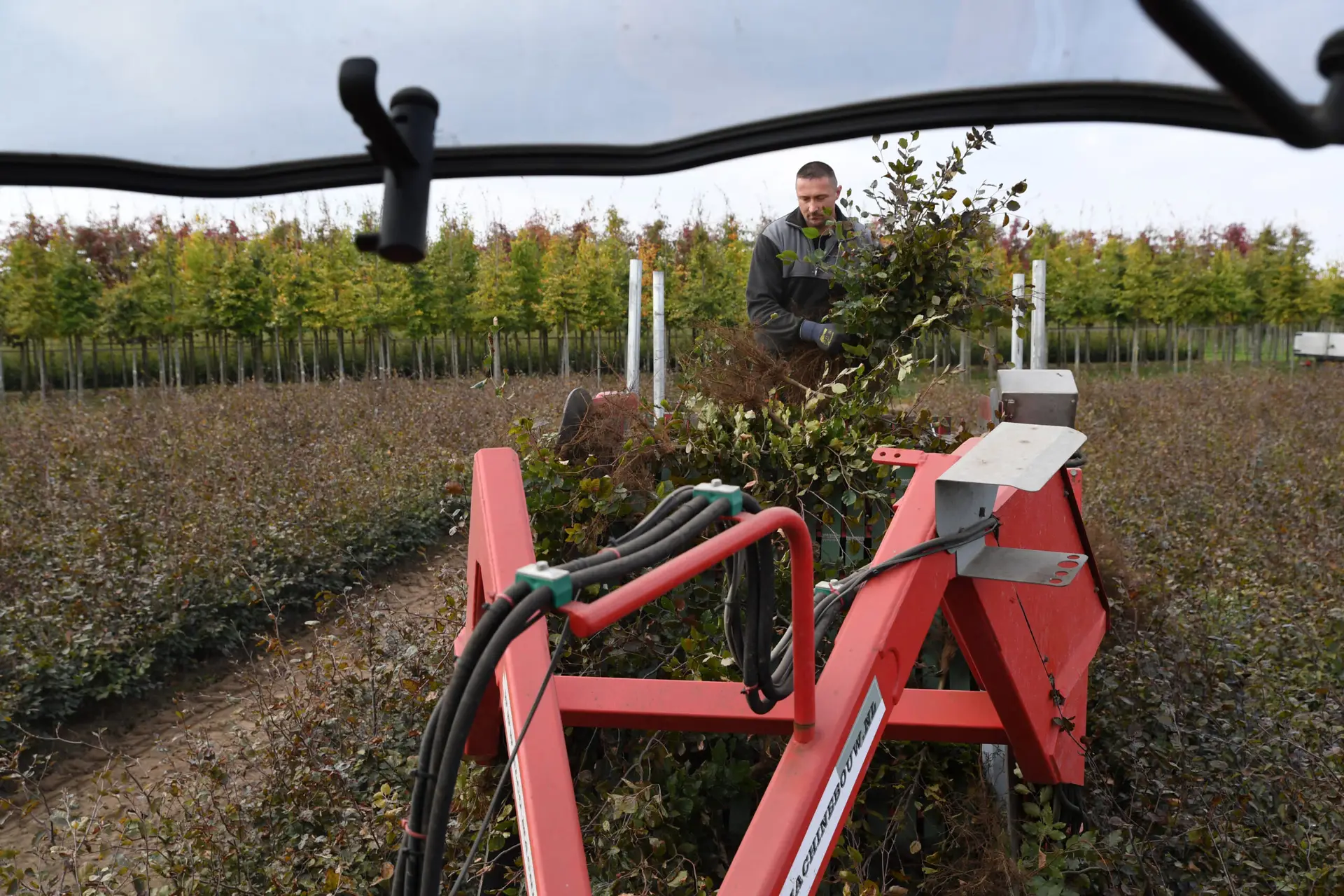
Delivery within the European market
You mentioned that the target market is the European market. In that context, clear logistics are especially important. Consider delivery times, consolidating shipments, and coordinating with the project site. The key is always the same: delivery exactly when your project needs it, with clear communication about availability and scheduling.

On-site storage and processing
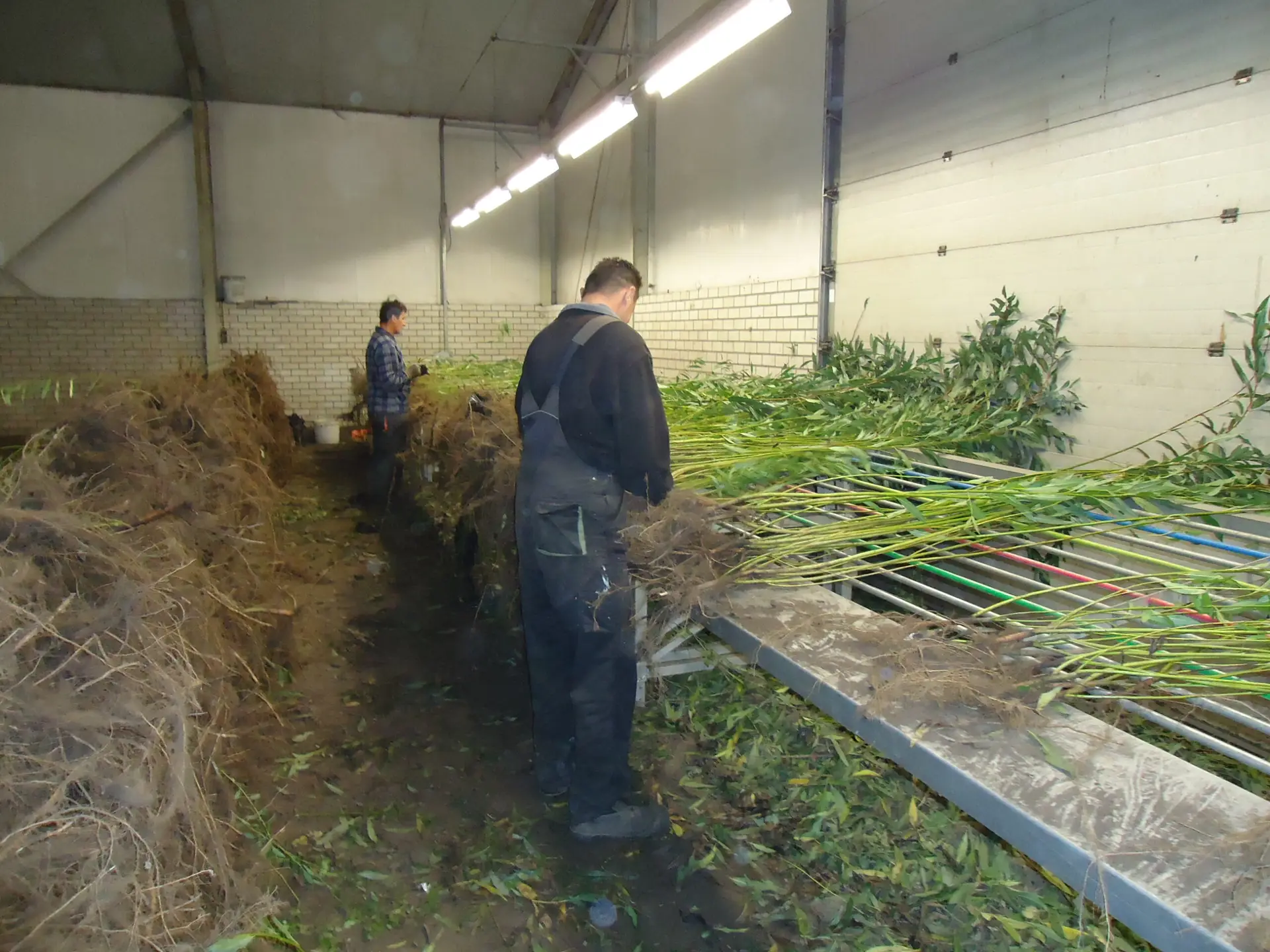
After delivery, you’ll want to process your nursery stock as quickly as possible. If that’s not possible, temporary storage is important. Protect the plant material from drying out, wind, and direct sunlight. Make sure bundles or trays are not left standing in water if that is not suitable for the species. By planning a storage location in advance, you can prevent a loss of quality and ensure better root establishment.
Practical Storage Tips
- Choose a shady spot with some shelter
- Keep the roots moist, but avoid letting them sit in water for long periods of time
- Process plant material in the correct order by species and location
- Minimize transportation movements at the construction site
- Plan for sufficient personnel and materials to ensure rapid planting
This approach helps prevent delays in implementation from leading to additional downtime or corrective work.
Forestry Plants and Design of the Final Landscape
A good final design starts with a simple planting plan. Consider the perimeter zones, species distribution, and the pace at which the greenery needs to fill in. By using a mix of species, you build stability. You prevent a single species from making the planting vulnerable to environmental conditions or damage. A clear plan also helps with the bidding process and communication with the implementation teams.
- Working with Zones: Periphery, Core, and Transition
- Combine varieties for variety and hardiness
- Consider management and access
- Replanting plan as part of the first phase
- Define the ultimate goal and assessment points
Management and Post-Planting Care
After planting, the process of guiding growth begins. During the initial period, watering, protection, and monitoring play a major role.
By planning for follow-up, you can prevent dropouts and achieve a stronger final result.
Especially for large-scale projects, it’s a good idea to schedule checks at set times.
What should you keep in mind during the first few months?
- Sufficient water during dry periods and on sandy soils
- Protection against browsing and mechanical damage
- Checking Planting Depth and Stability
- Recovery from crop loss through timely replanting
- Monitoring Growth and Colonization
With this follow-up care, you can achieve consistent results and avoid major touch-ups.
What do you need to get a quick quote?
If you want to move quickly, it helps to have your request fully completed. That way, we can provide more targeted advice on availability, bundling, and delivery. For B2B projects, the key factors are quantities, scheduling, and the on-site situation.
- Project location and desired delivery period
- Estimated numbers and possible phasing
- Preference for native plant material
- Project type and desired species mix or category
- Practical information about access and unloading
With this information, you’ll receive a proposal more quickly that aligns with implementation and planning
Why Choose NL Plants?
These points directly address your needs as a B2B buyer.
- Native forest vegetation
- Suitable for large-scale projects
- Uniform lots
- Sustainable farming
- Fast delivery from stock
Thanks to this combination of origin, quality, and reliable delivery, you can use forestry plants in projects where continuity and planning are important.
Here's how the application and ordering process works
When combining initial inquiry, contact, and a request for a quote, you want a clear process. You start by describing your project: location, desired types or categories, quantities, and schedule. This is followed by coordination regarding availability and delivery, so that you receive a proposal that fits your project’s implementation.
- Assessment of the project's objectives, location, and schedule
- Selection of species mix and desired quantities
- Coordination regarding availability and delivery date
- Customized Quote or Proposal
- Delivery and Support for Follow-Up Questions
Frequently Asked Questions in Bidding Processes
Tenders and project plans often ask about origin, scheduling, and quality. By specifying these details in advance, you can better justify your choice of forest plants. It also helps you get internal approval more quickly, because it’s clear what you’re buying and what you can expect.
- Origin and Use of Native Plant Material
- Availability and delivery schedule by phase
- Consistency of batches and quality control
- Arrangements for Replacement in Case of Absence
- Sustainability Goals and Appropriate Farming Practices
By including these points in your application, the proposal will align more closely with your project documentation.
FAQ
Frequently Asked Questions About Forestry Plants
Find answers to frequently asked questions about our plants, delivery, quotes, and services.
What exactly are forestry plants?
Forestry plants are young trees and shrubs intended for large-scale planting and nature conservation projects. For advice on your specific application, please contact us via the contact page.
What does “native forest vegetation” mean?
Native plant material is suited to the local natural environment and conditions. To make the right choice, please contact us via the contact page.
Can you supply large volumes?
Yes, forestry plants are suitable for large-scale projects and delivery in large quantities. To discuss your needs, please contact us via the contact page.
What kind of clients does NL Plants work with?
NL Plants works with professional clients such as municipalities and landscapers. Please contact us via the contact page.
How quickly can you ship from stock?
Delivery from stock is available and can be tailored to your schedule and location. For current options, please contact us via the contact page.
How do I choose the right seed mix?
The right mix depends on the soil, water, purpose, and management practices. For personalized advice, please contact us via the contact page.
Are uniform lots important in forest planting?
Yes, uniform batches make processing and the final result more predictable. For advice on quality and selection, please contact us via the contact page.
Do you supply products for projects in the European market?
Delivery will be tailored to your project and location within the European market, in consultation with you. Please contact us via the contact page to discuss the details.
Ready to order forestry plants?
Would you like to use forestry plants in a project and want to be sure that their origin, quality, and scheduling are all in order? Contact NL Plants via the contact page for advice, availability, and a customized quote.

