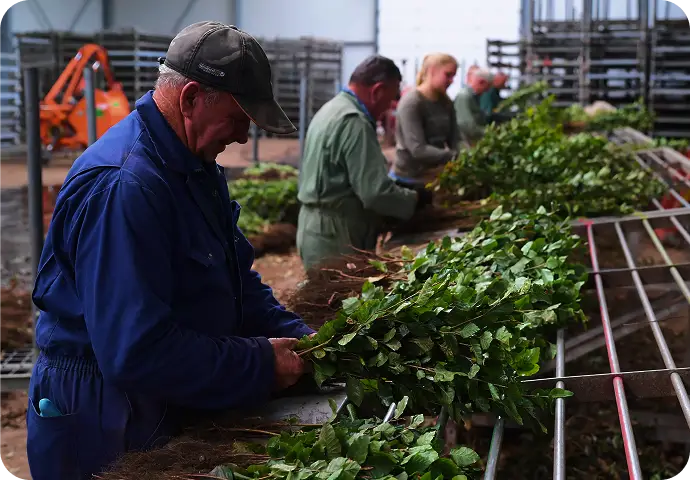
You’re looking for hedge plants that are suitable for professional projects and that you can schedule for delivery. Whether you’re working on property boundaries, adding structure to public spaces, or creating an ecological corridor, you want a hedge that grows densely, lasts a long time, and looks uniform. NL Plants supplies hedge plants for B2B clients with a focus on sustainable quality and suitability for long stretches and project-based planting.
Nature First
What are hedge plants, and why are they so popular in landscaping projects?
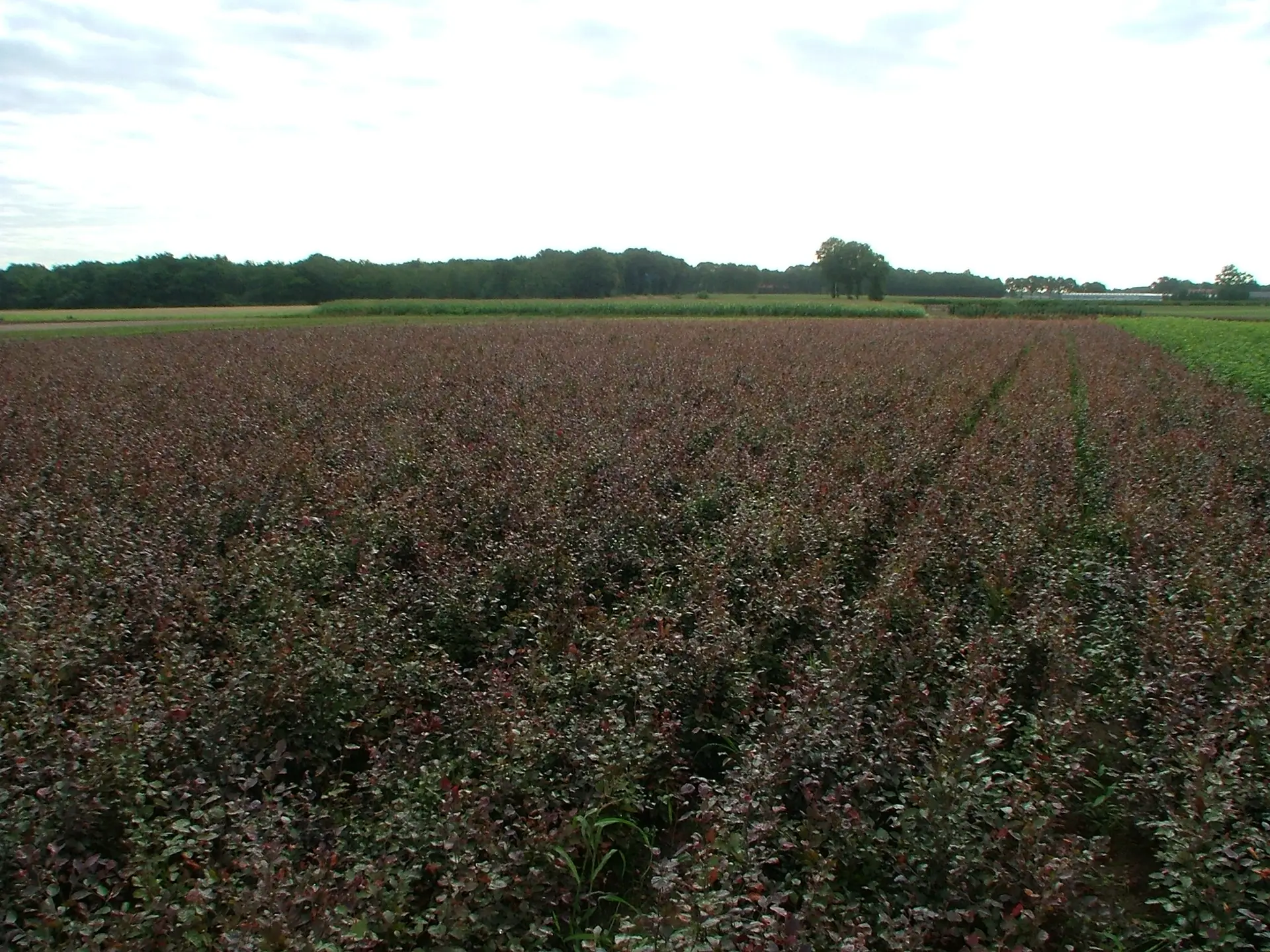
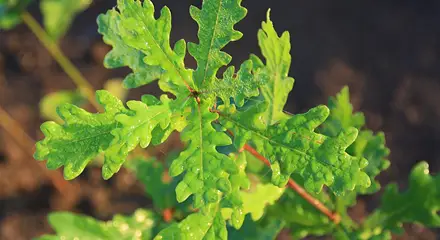
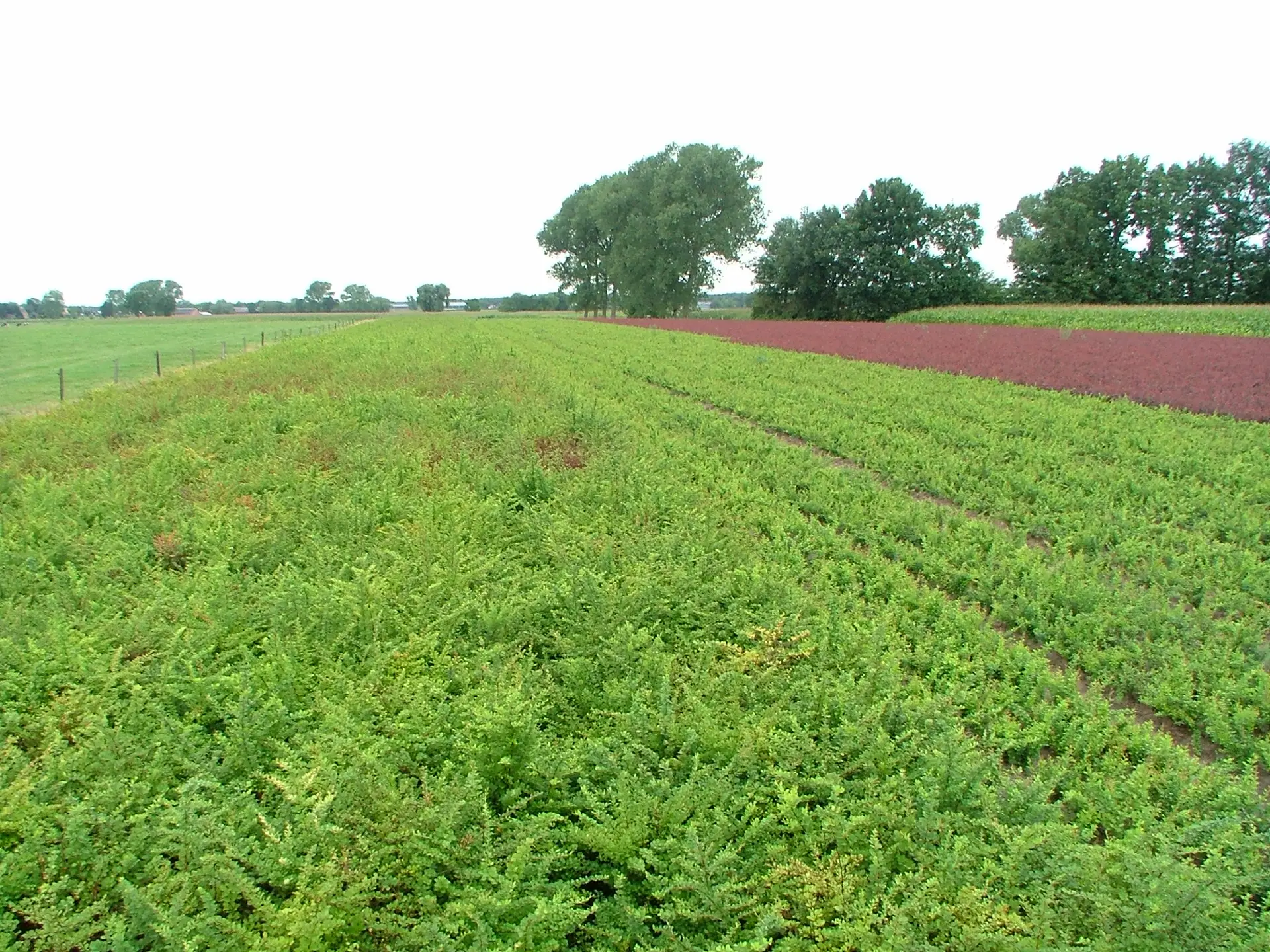
Hedge plants are plants that you plant in rows to form a green barrier or structure. In B2B projects, they are used to line paths, mark boundaries, and quickly give a space a green look.
The advantage is that with hedge plants, you can create a clear vision of the final result in a relatively short time, especially if you choose the right varieties and plant sizes.
Applications: from property boundaries to ecological corridors
Hedge plants are used for property boundaries, structure, and landscaping, including ecological corridors. In all these situations, the same basic principle applies: a hedge that suits the location, management, and function. By determining in advance what the hedge needs to accomplish, you can make more informed choices regarding species, planting distance, and maintenance.
Property Boundaries and Privacy at Public and Commercial Locations
Structure and Routing in Parks, Business Parks, and Residential Neighborhoods
Landscape integration along roads, waterways, and lots
Ecological Corridor for Shelter and Biodiversity
Wind and visibility filters in open areas
Having a clear goal prevents you from having to make adjustments later on through additional planting or more intensive management.
Why Hedge Plants Are a Smart Choice for Municipalities and Landscapers
For municipalities and landscaping contractors, hedge plants are practical because they are scalable. You can create long stretches, work in phases, and plan maintenance effectively. Hedges are also recognizable to residents and users: they make the space easy to navigate. With the right choice of species, you can also increase the ecological value, for example through flowering, berries, or shelter.
Hedge Plants for Garden Centers: Quality and Reliability
For garden centers, it’s all about offering a product range that’s reliable in terms of quality and presentation. Uniform batches ensure a consistent in-store experience and fewer post-sale losses. Clear traceability and proper care throughout the supply chain make all the difference in shelf life and appearance.
The Benefits of B2B Hedge Plants
Hedge plants offer clear advantages when working on projects and with long lengths.
Rapid development of the structure and the final green landscape
Scalable for long runs and repetitive projects
Versatile applications: privacy, routing, screening, and ecology
Predictable management through clearly defined pruning and maintenance schedules
A Strong Foundation for Biodiversity in Ecological Zones
These benefits are greatest when you choose plant material that is suited to the location, function, and management.
Sustainable and high-quality: what does that mean in practice?
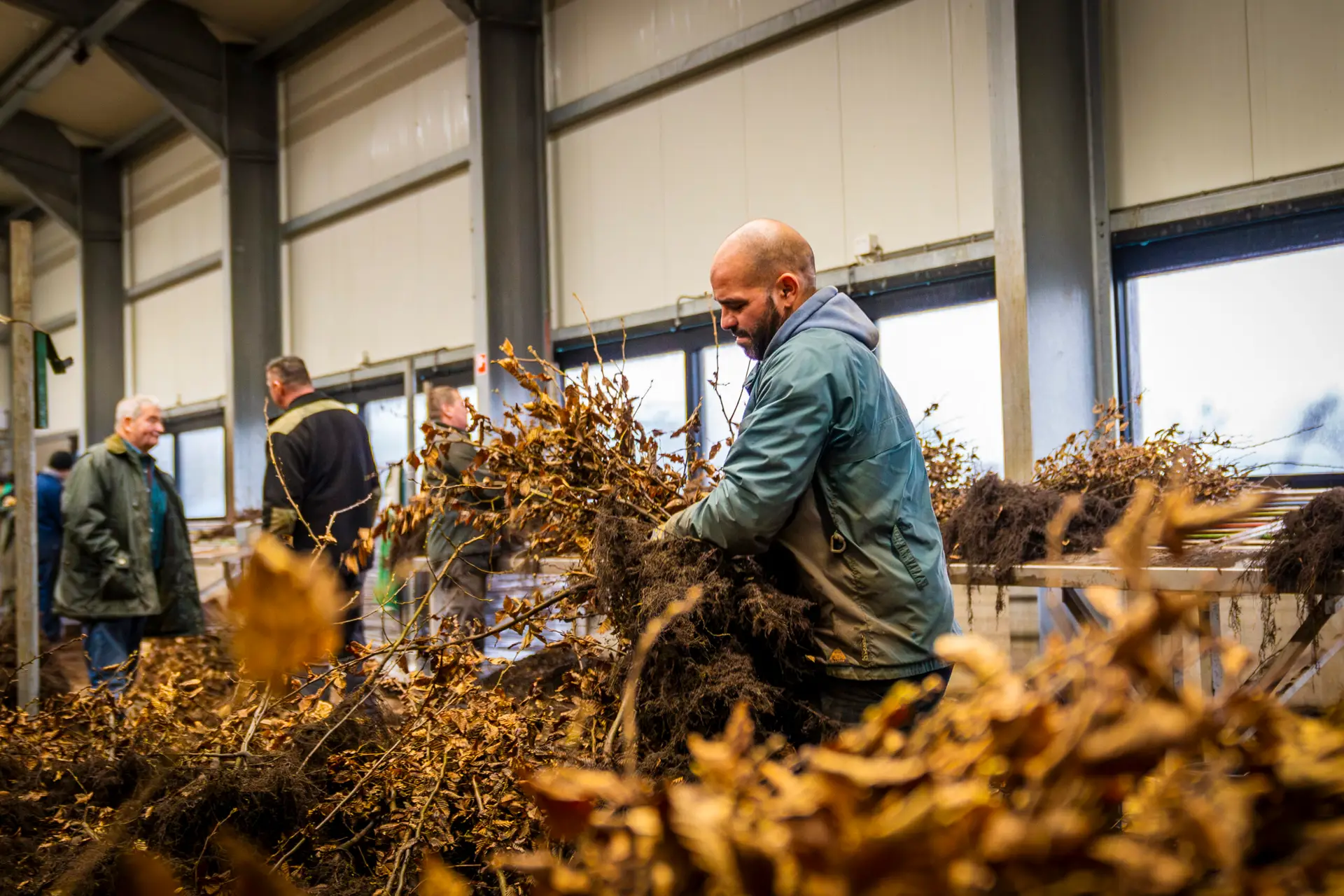
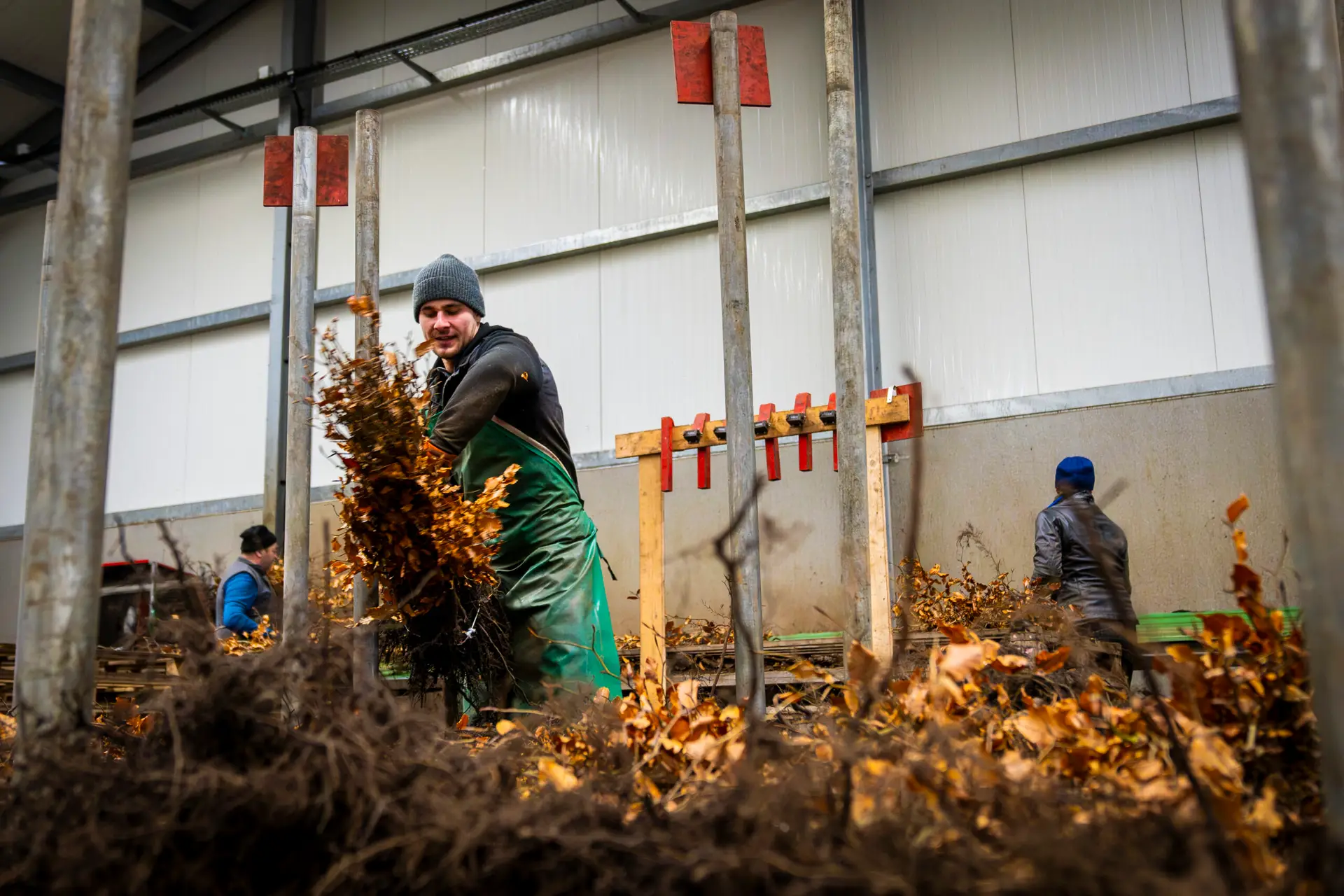
Sustainable, high-quality planting stock means choosing hedge plants that are suitable for long-term use and that have been grown and processed under good conditions. This is reflected in their vigor, root quality, and uniformity. This is important for projects because it directly affects establishment, mortality, and the speed at which the hedge closes.
Ideal for long runs and projects: how to avoid delays
With long runs, you want predictability. That starts with planning and logistics: delivery the moment the site is ready for planting, and batches that match the pace of installation. It also helps to work with a clear planting plan: spacing, variety selection, and phasing. This prevents having to switch to a different quality or size halfway through, which can be noticeable in the final result.
Choosing a Species and Design: Which Hedge Is Right for Your Project?
The best hedge is the one that suits the location. Soil, water, light, and maintenance determine which species will thrive.
It’s also important to consider your goal: Are you looking primarily for a dense privacy hedge, a landscape hedge, or a hedge that adds ecological value?
Practical selection criteria
Soil type and moisture: clay, sand, peat, or a mixture
Light and wind loads at the site
Management: Pruning Frequency and Available Capacity
Purpose: privacy, screening, routing, or ecological function
Desired height, width, and growth rate
By establishing these criteria in advance, you can make a choice that works well for both implementation and management.
Ecological Corridor: What Should You Look For?
Variety is important for an ecological corridor. A hedge can provide shelter, offer food, and serve as a guide for animals. In practice, this often means choosing a mix of plant species or varying the structure. Management practices are also different: pruning is often done in phases to ensure that cover and food remain available at all times.
Planting and Spacing: How to Grow a Dense Hedge Faster
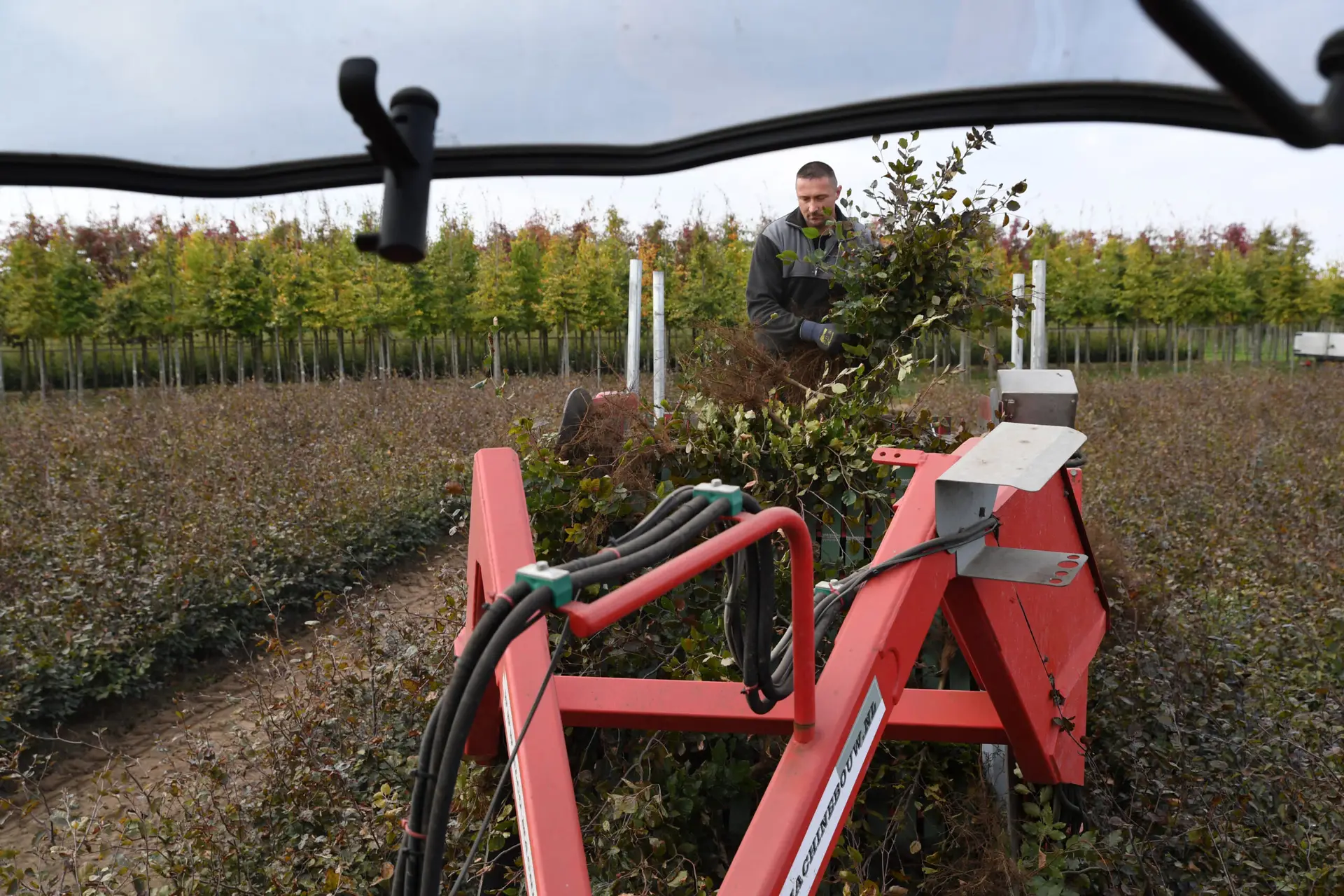
A dense hedge is created by the right combination of plant size and planting distance. Smaller plants may be easier to handle, but often take longer to close out. Larger plants produce results more quickly, but require more logistical planning and care during planting. The best choice depends on your budget, schedule, and the desired time by which the hedge needs to be functional.
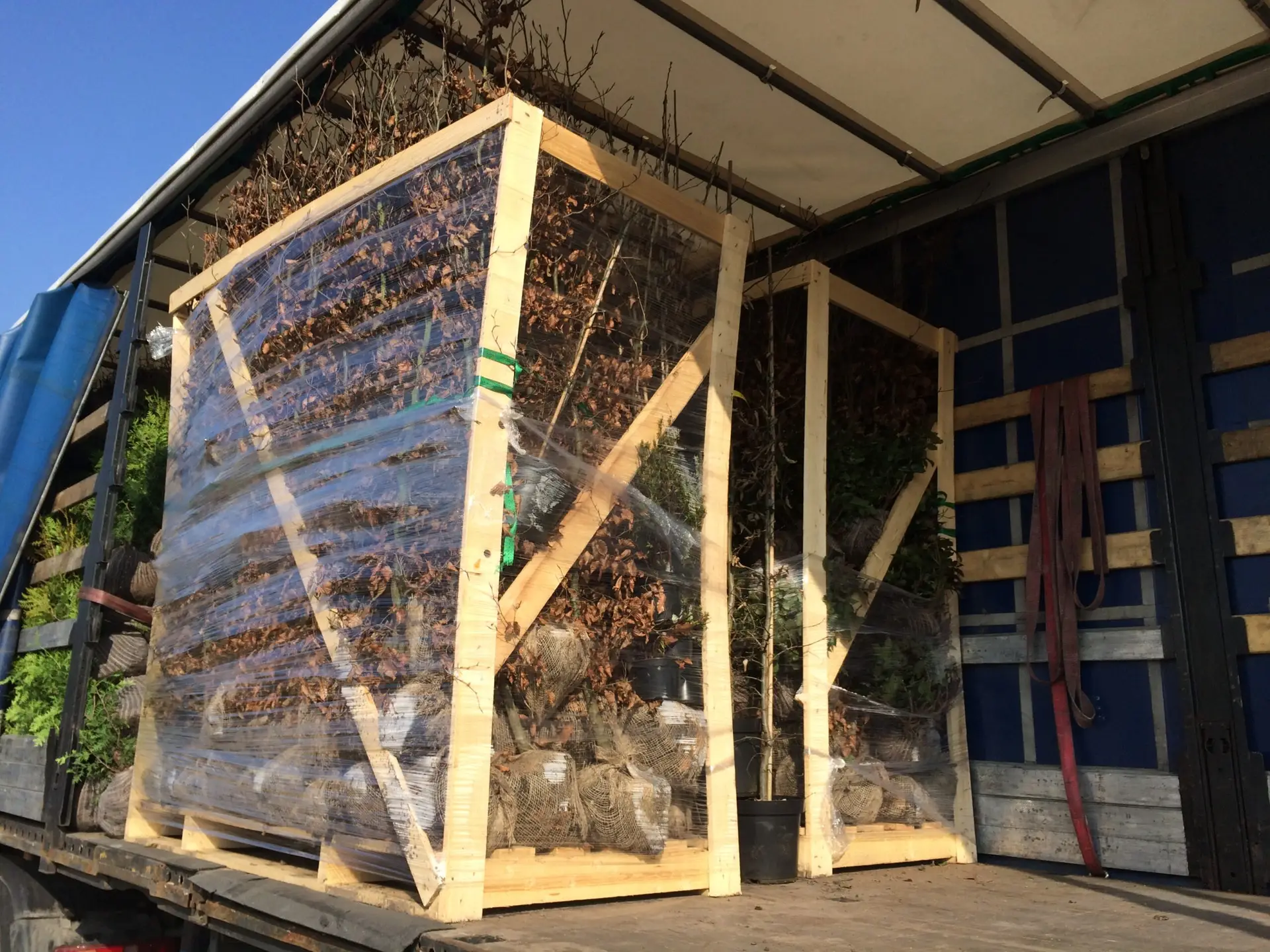
On-site storage, transportation, and processing
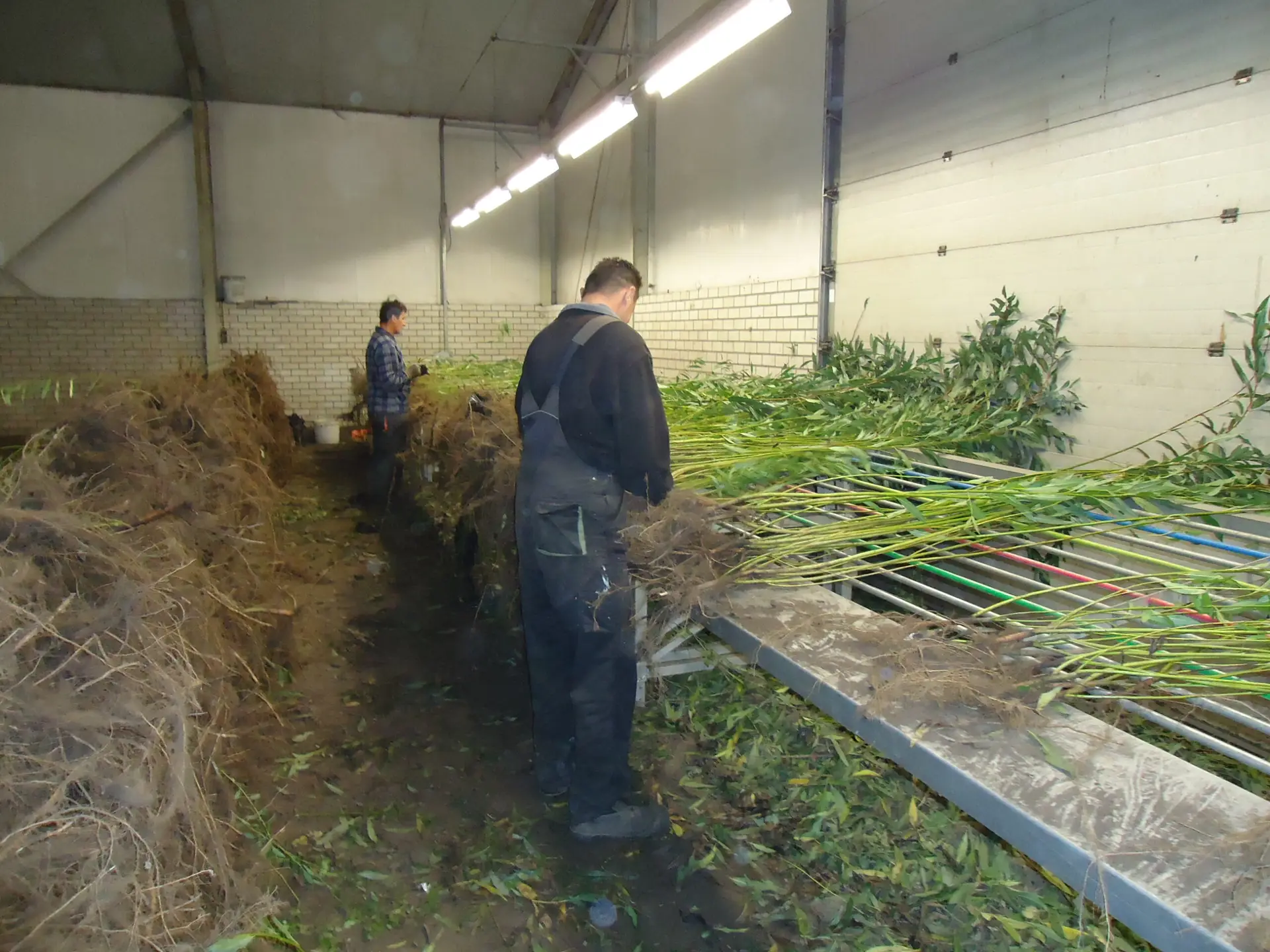
For projects involving large quantities, it’s a good idea to plan storage and handling in advance. Hedge plants must be protected from drying out and wind. Make sure the time between delivery and planting is as short as possible. If you’re working in phases, it helps to bundle deliveries by work section. This speeds up implementation and reduces the risk of quality loss.
Practical Tips
Schedule delivery close to the planting date
Make sure you have a sheltered storage area
Protect roots from drying out
Work by work section and avoid unnecessary movement
Determine the planting spacing and layout in advance
Maintenance and Pruning: How to Keep Your Hedge Safe and Neat
Maintainability is often a strict requirement for municipalities and landscaping companies.
With a pruning plan, you can keep sightlines clear, prevent overhang on paths, and encourage a dense structure.
A consistent pruning routine makes costs predictable.
In ecological corridor areas, you can prune in phases so that part of the area always provides shelter.
Practical Management Considerations
Prune at regular intervals to maintain a neat shape
Check sight lines at intersections and exits
Plan for additional watering during the first season
Replenish stock in a timely manner to prevent gaps
Align phased pruning with ecological goals
Why Choose NL Plants?
These points address the needs of B2B customers.
Sustainable, high-quality plant material
Suitable for long lengths and projects
By focusing on quality and project suitability, you can plan, execute, and deliver with greater confidence.
Here's how the application and ordering process works
Since you want to facilitate a combination of initial exploration, communication, and a quote, it’s important to have a clear process. You start by sharing your project details, followed by coordination regarding availability and delivery. This way, you’ll receive a proposal that aligns with your schedule and the intended end result.
Identifying the Project Objective and Location
Determine the desired length, type(s), and plant size
Coordination regarding planning, phasing, and delivery
Receive a customized quote or proposal
Delivery and Support for Follow-Up Questions
What do you need to submit a quick application?
If you’d like to receive a suitable proposal quickly, it helps to provide all the details in your request. For hedge projects, the most important factors are length, location, and intended use. With this information, we can more quickly help you decide on species, plant size, phasing, and delivery.
Project Location and Type of Environment
Total length and any phasing
Purpose of the hedge: privacy, structure, or ecology
Desired plant size and desired delivery date
Practical information about unloading and accessibility
With this input, you’ll get a clearer picture of the options and schedule more quickly.
Frequently Asked Questions in Municipal Projects
Municipal projects often focus on manageability, safety, and a final design that fits in with the surroundings.
Hedge plants should not only be attractive, but also easy to maintain and hardy enough to withstand heavy use.
By taking this into account in advance, you can prevent the hedge from incurring additional costs later on.
Management Frequency and Desired Pruning Shape
Safety and sight lines along roads and trails
Alignment with environmental goals and biodiversity
Uniformity and Interchangeability in the Event of Failure
Planning Around Planting Seasons
By incorporating these points into the planting plan, the implementation will be better aligned with management and policy.
FAQ
Frequently Asked Questions About
Hedge Plants
Which hedge plants are suitable for an ecological corridor?
That depends on the location, the desired management approach, and the ecological function. A mix of species often provides greater variety and value. For personalized advice, please contact us via the contact page.
How many hedge plants do I need per meter?
That depends on the plant size and desired density. With the right planting distance, you can grow a dense hedge more quickly. For a calculation, please contact us via the contact page.
Can you handle long lengths and project-based deliveries?
Yes, hedge plants are suitable for long stretches and large-scale projects. Delivery and phasing will be tailored to your schedule. Please contact us via the contact page.
When is the best time to plant hedge plants?
That depends on the type of plant material and the conditions on site. With proper planning, you can plant during many different periods. To discuss your options, please contact us via the contact page.
How do I make sure a hedge takes root properly?
Proper planting, adequate watering, and proper aftercare during the initial period make all the difference. A management plan helps prevent plant loss. For advice, please contact us via the contact page.
Do you also deliver to garden centers?
Yes, we can deliver to garden centers. Consistent quality and reliable service are important in this case. Please contact us via the contact page.
What makes hedge plants sustainable and high-quality?
Sustainable quality is about vitality, root quality, and suitability for long-term use in projects. For specific options, please contact us via the contact page.
Contact
Ready to order hedge plants?
Are you looking to use hedge plants for a property boundary, a project, or an ecological corridor? Contact NL Plants via the contact page for advice, availability, and a customized quote.